Land. Groundwork. Home.
Three things have to happen before anybody can live on raw ground. Here's what each one involves, who does it, and what you get to check.
01 · Land
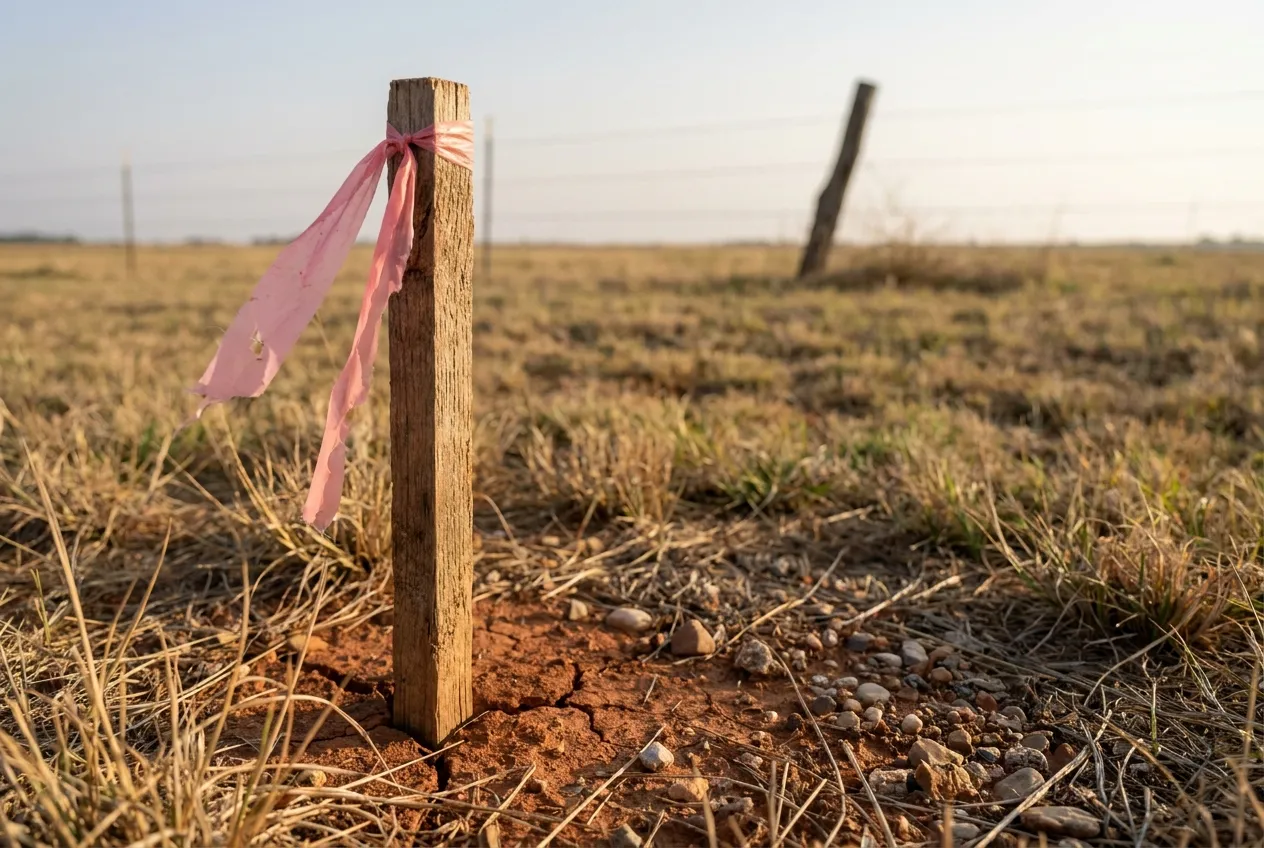
We buy the acreage and take title.
What we do
- Find a tract in Creek County that can actually take a home and a septic system.
- Buy it outright and record the deed in our name.
- Confirm road access, and confirm in writing that the water service transfers.
What you do
Nothing yet. At this stage there's no home to look at.
02 · Groundwork
The unglamorous half, and the half that costs the money.
What we do
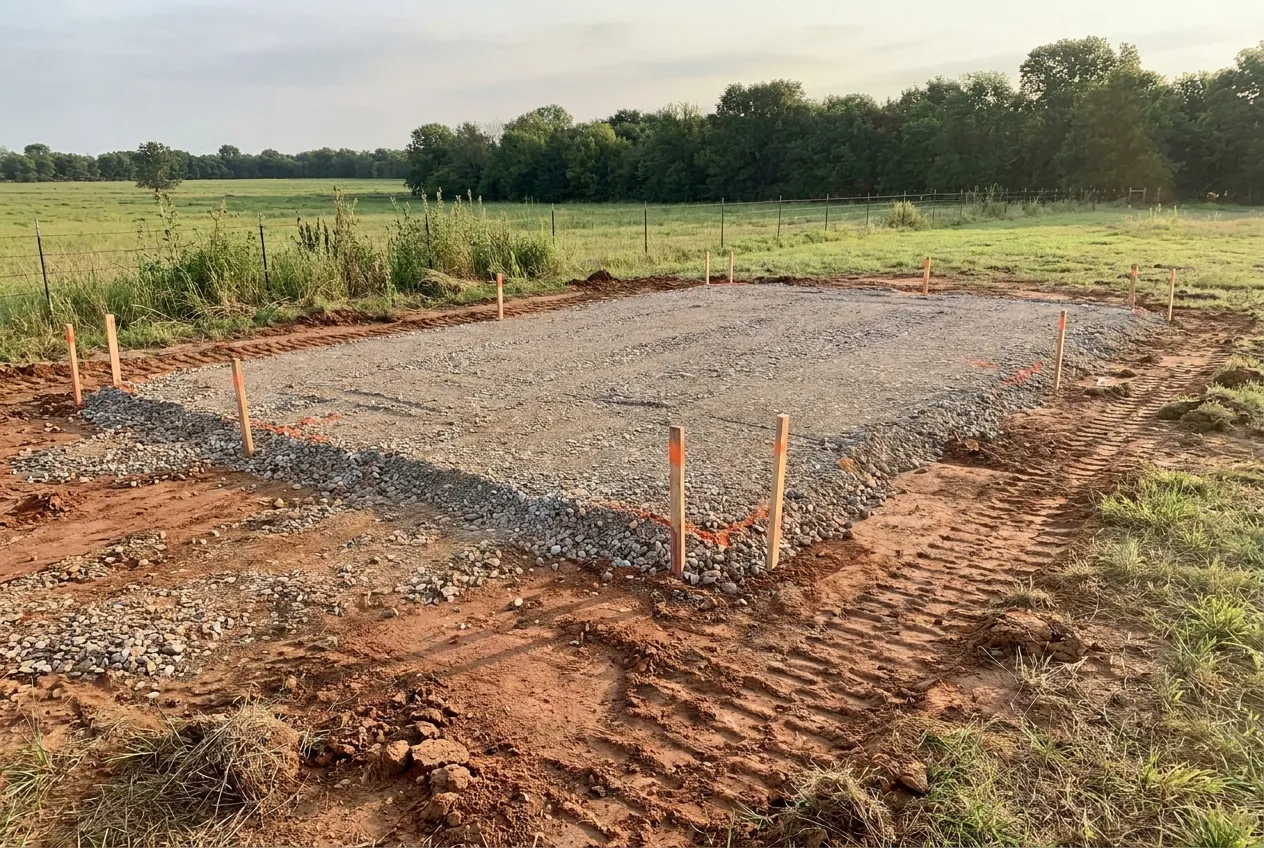
- Clear and grade the home site and build the pad.
- Permit the on-site sewage system through Oklahoma DEQ and install it.
- Set the water service, run electric to the house, and build the driveway and culvert.
What you do
Nothing. This is the part people underestimate when they try to do it themselves, and it's already in the price.
03 · Home
The house is set, inspected, and titled as real estate.
What we do
- Set the home on a permanent foundation using an Oklahoma-licensed installer.
- Get the set-up form signed off by a state-certified installation inspector.
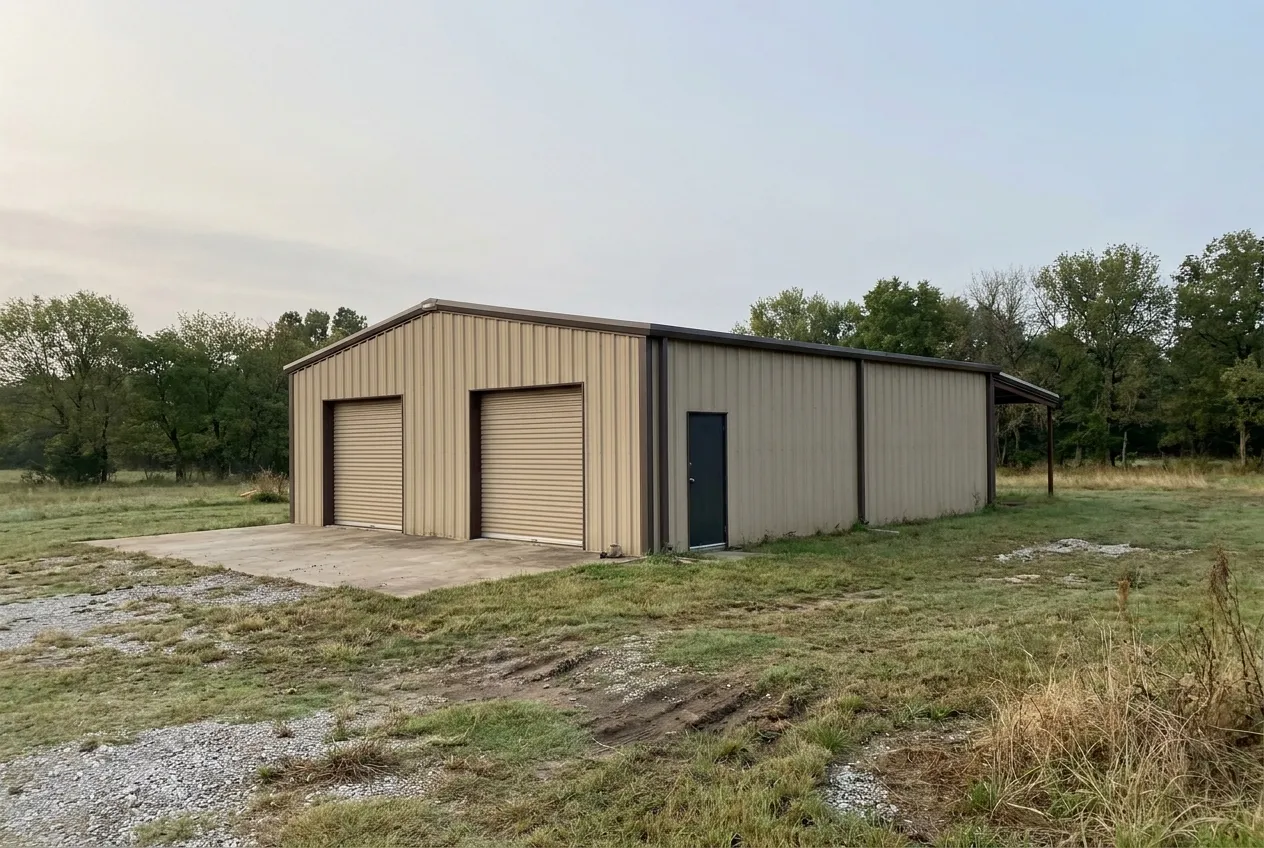
- Build a shop.
- Cancel the manufactured-home title before closing so the whole property is real estate.
What you do
Walk it with Connor. Bring your lender's appraiser. Ask for any number on the spec sheet.
About the house itself
It's a new manufactured home, built in a factory to the federal HUD building code, inspected by a third party before it ships, then set on a permanent foundation on the land.
The design is approved by a HUD-accepted engineering firm and the build is inspected in the plant by a third-party agency before the home ships. That's what the red certification label on the home records.
Set-up is done by an Oklahoma-licensed installer to the federal installation standard, and the set-up form is signed off by a state-certified installation inspector. The installer's label goes on the home, by the breaker box.
When you're ready
There's no pressure step in this process.
We build a few of these a year. If the timing doesn't work, tell us and we'll leave you alone until it does.